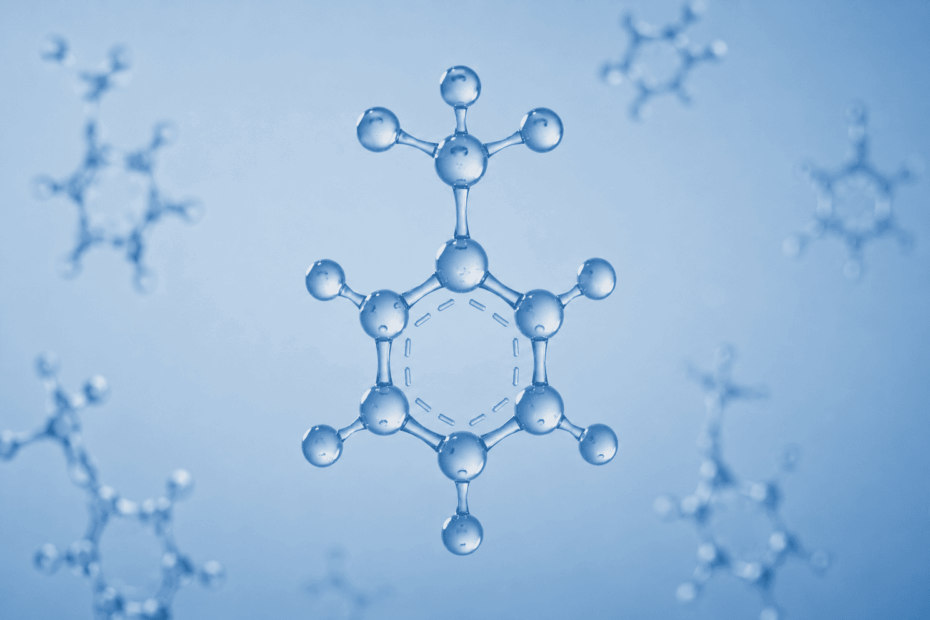

Volatile organic compounds (VOCs) are carbon-based chemicals that evaporate easily under normal conditions. They are common pollutants of both indoor and outdoor air.
VOCs can be released by furniture, paints, cleaning products, air fresheners, fuels and numerous industrial activities. Cooking and other everyday processes can also emit them.
Depending on the compound, concentration and exposure duration, VOCs can cause irritation, headaches or long-term health effects. They also contribute to the formation of fine particles and ground-level ozone.
Ventilation, product substitution and suitable protective equipment help limit exposure. Laboratory analysis uses chromatography to separate, identify and accurately quantify the VOCs present in the air.
Where to find them ?
Volatile organic compounds (VOCs) are carbon-based chemicals, part of the main air pollutants. They can contain different elements, such as hydrogen, oxygen, chlorine or sulfur.
Present in many everyday products (furniture, paints, cleaning products, air fresheners), VOCs are also emitted during certain human activities, notably cooking or work.
features
Volatile organic compounds (VOCs) are characterized by their physical and chemical properties :
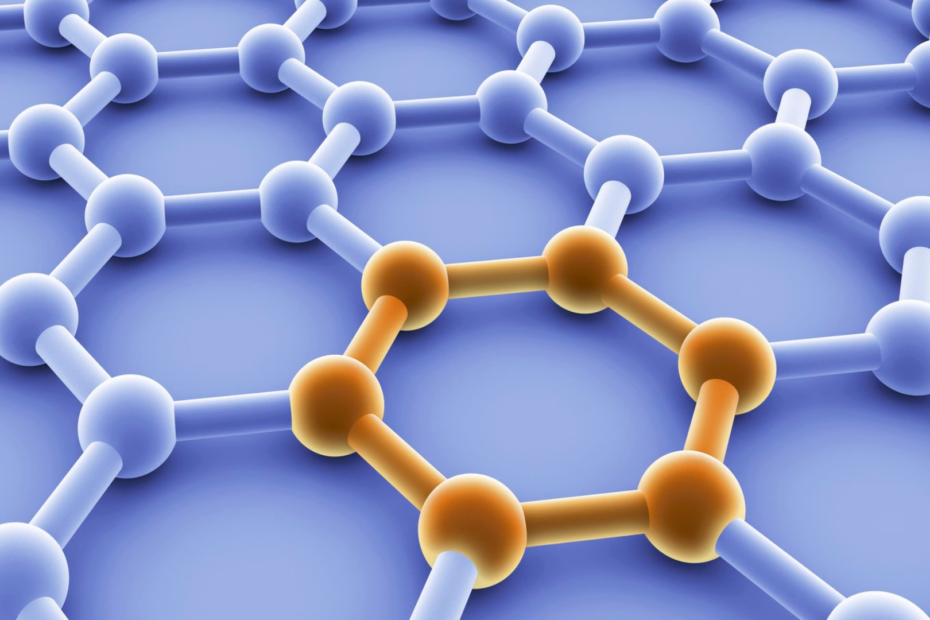
- Size of the molecules: they are very small, with a diameter between 0.001 and 0.1 micrometer.
- High volatility: their small size allows them to easily switch from liquid to gaseous state under normal conditions of temperature and pressure.
- Regulatory definition: an organic compound is considered volatile if it has a vapour pressure of 0,01 kPa or more at 20 °C, or
| volatility | boiling point |
|---|---|
| Very volatile (gas) | <[50-100°C] |
| volatile (VOC) | [50-100°C] to [240-260°C] |
| semi-volatile (COSV) | [240-260°C] to [380-400°C] |
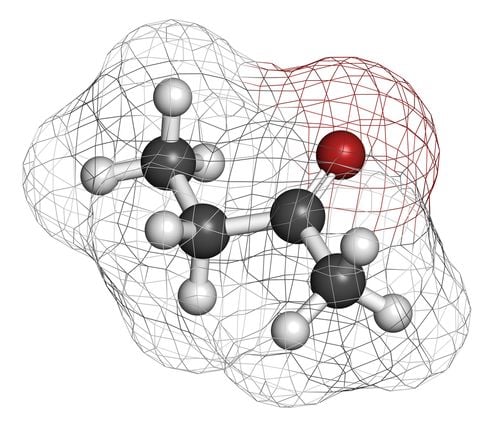
Among volatile organic compounds (VOCs), some are particularly well-known, such as benzene, but there are many others, such as:
- Formaldehyde
- Acetone
- Ethanol
- … and many other substances that meet the definition of VOCs.
These compounds are present in many materials and everyday products. They can easily volatilize into the air, altering its chemical composition. That is why VOCs are considered indoor and outdoor air pollutants.
What effects on health and the environment ?
Volatile organic compounds (VOCs) can affect health to varying degrees, depending on the level and duration of exposure.
Some VOCs are known to be carcinogenic. Others can disrupt reproduction or affect human development. These effects also depend on individual sensitivity, which varies from one person to another.
environmental impact
VOCs present several risks for both the environment and human health:
- Formation of secondary pollutants
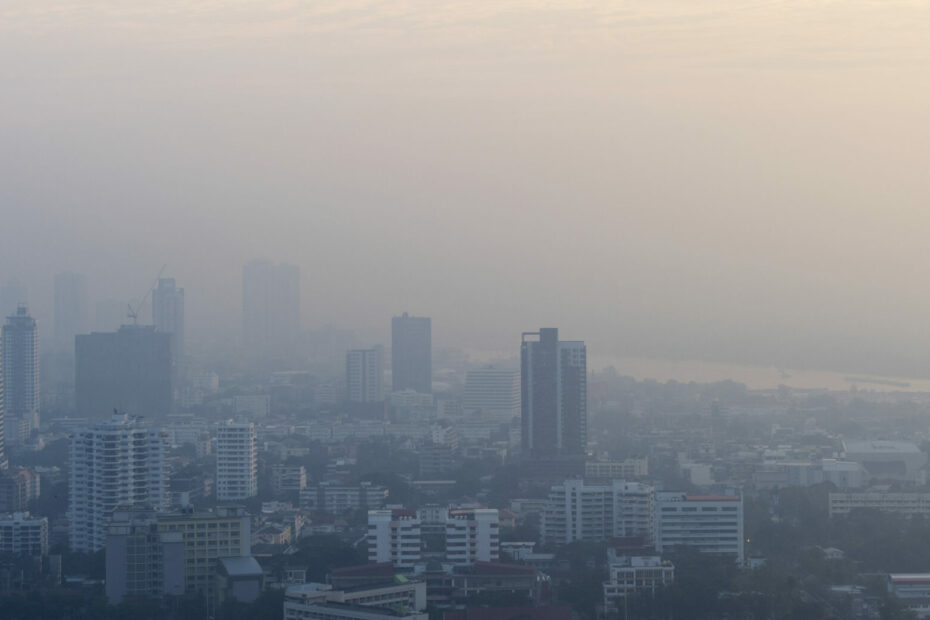
When VOCs react with nitrogen oxides, they contribute to the formation of fine particles (PM2.5) and tropospheric ozone. These pollutants degrade air quality, promote global warming, and generate harmful compounds. - Fire and explosion risk
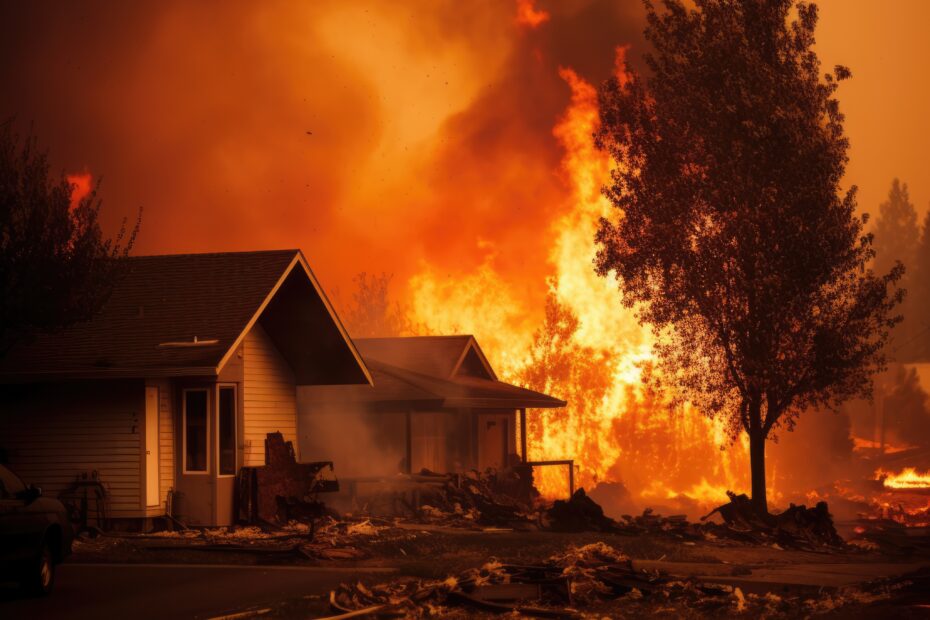
Certain VOCs are highly flammable. When exposed to heat, they can ignite or even explode.
A combined exposure that remains poorly understood
While the effects of individual VOCs are relatively well documented, real-life exposure is more complex. We are almost always exposed to a mixture of compounds rather than a single substance.
This “cocktail effect” is still not well understood. For this reason, reducing overall exposure to VOCs remains essential.
health impact
Exposure of a significant concentration in the short term
- Headaches
- Skin and mucous membrane irritation
- Fatigue
- Cough, painful breathing
- Pneumonia, bronchitis
Exposure of moderate concentration in the long term (several years)
- Impairment of the central nervous system
- Cardiovascular diseases
- Asthma
- Cancers
- Impacts on the reproductive system
- Impacts on the liver, spleen and blood
What are the preventions ?
We can advise you:
In the professional context :
It is essential to protect employees exposed to VOCs as part of their professional activity. This involves :
- Occupational exposure assessment to identify risks from VOCs.
- The provision of appropriate means of protection, depending on the level of exposure:
- Personal protective equipment (PPE), such as cartridge masks.
- Collective protective equipment (CPE), such as extractor hoods or ventilation systems.
These measures effectively reduce the risks to workers’ health.

in your daily life :
- Limit the use of the most emitting products and prioritize their substitution by other less harmful products.
- Ensure proper air renewal thanks to well-maintained and appropriate ventilation.
- Follow the rules for storing chemicals/household products.
- Air the rooms of your house, apartment, or office daily.
- Choose your furniture and materials carefully by favoring A+ labels.
- Opt for cleaning products such as white vinegar, black soap, or baking soda to avoid interactions between different substances.
- Avoid the use of odorous products.
- It is possible to install indoor air quality sensors to quickly monitor the level of VOCs (and other pollutants) in the room.
How to analyze VOCs?
The analysis of volatile organic compounds (VOCs) is based on advanced separation techniques, mainly chromatography, which falls into two main families:
- Chromatographie en phase gazeuse (GC)
- Chromatographie en phase liquide (LC)
Different detectors then allow for the quantification of VOCs, such as:
- FID (Flame Ionization Detector)
- TCD (Détecteur de conductivité thermique)
- UV and other adapted detectors
The analysis process includes several steps:
- Collection of air samples on absorbent supports.
- Preparation of samples in the laboratory for injection into the chromatograph.
- Separation of VOCs according to their volatility, polarity or chemical affinity.
- Identification and quantification of the compounds present.
This approach provides accurate VOC analysis, essential for environmental monitoring and compliance with air quality standards.
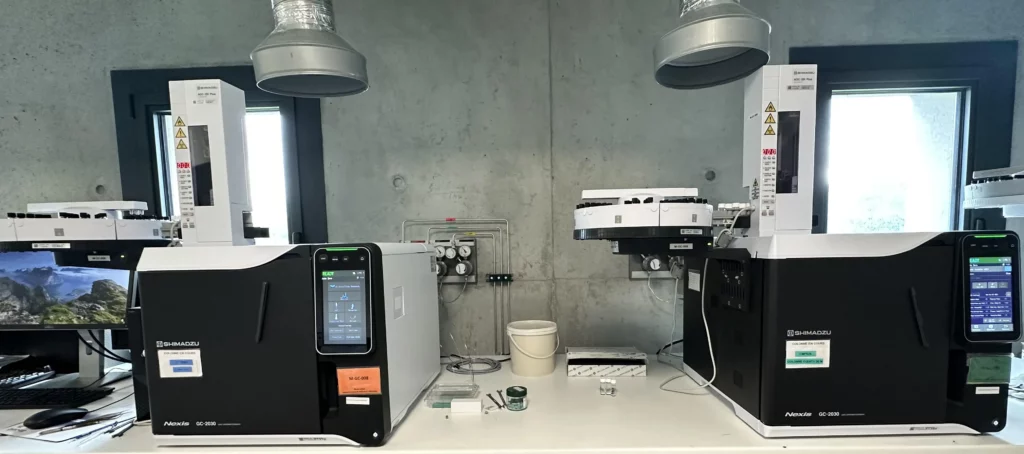
Our laboratory:
For more than 30 years, our independent laboratory has been supporting professionals and using our expertise for indoor and outdoor air quality issues.
Our support is based on:
- recognized expertise in air and gas analysis
- analytical methods in accordance with regulatory requirements
- short deadlines with results available within 24 to 72 hours depending on the parameters studied.
- accurate results thanks to a state-of-the-art analytical park
To learn more about our services, visit our page dedicated to air analyses.